

Is VoIP Right for Your Business? Costs, Features and Security Risks
Business VoIP systems enable organizations to modernize communications, reduce costs, and support remote and hybrid work.
Is VoIP right for your business? This guide helps you decide: how VoIP works, where it saves money, the features that matter, the security risks to plan for, and how to choose a provider.
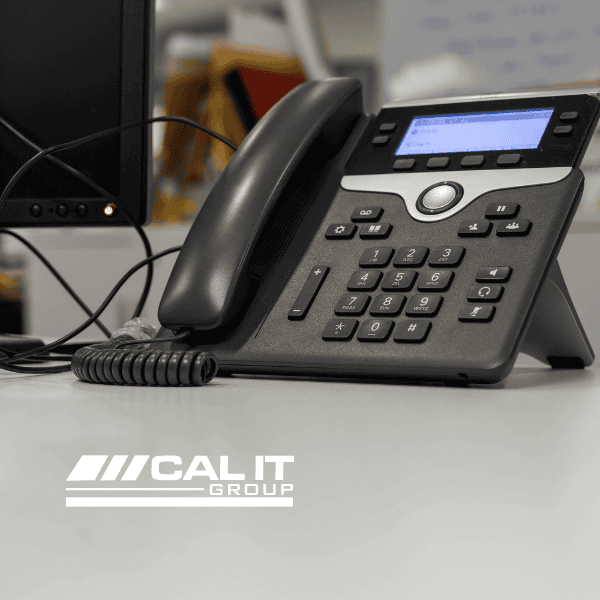
Exploring the Advantages of Business VoIP
Modern businesses depend on fast, reliable communication to stay competitive. Traditional phone systems, however, often lack flexibility, scalability, and cost efficiency. This is why many organizations are transitioning to business VoIP—a cloud-based communication solution designed for today’s digital workplace.
Business VoIP (Voice over Internet Protocol) allows companies to make and receive calls over the internet rather than traditional phone lines. The result is lower operating costs, improved call quality, and advanced features that support collaboration, customer service, and remote work.
In this guide, we’ll break down how business VoIP works, its key advantages, security considerations, future trends, and how to choose the right provider for long-term success.
What Are VoIP Phone Services for Businesses?
Business VoIP is a communications technology that converts voice signals into digital data packets and transmits them over an internet connection. Unlike legacy PBX systems, VoIP platforms are cloud-based, making them more adaptable and easier to manage.
VoIP solutions typically include a robust set of features such as:
- Call forwarding and auto attendants
- Voicemail-to-email transcription
- Conference and video calling
- Call recording and analytics
- Integration with CRM and collaboration tools
These capabilities allow businesses to streamline communication workflows, enhance customer interactions, and improve internal collaboration.
The Evolution of Business VoIP Technology
VoIP technology has evolved significantly over the last decade. Once considered a niche alternative, it is now the standard for modern business communications. According to industry research, more than 60% of businesses globally have already adopted VoIP solutions, driven by improved broadband availability and cloud innovation.
Today’s VoIP platforms integrate seamlessly with productivity suites, mobile devices, and cloud ecosystems. Businesses can manage calls from anywhere, scale users instantly, and maintain consistent communication experiences across locations.
VoIP systems also align with broader IT modernization strategies, often deployed alongside Cloud Services and Managed IT Services.
Key Benefits of Business VoIP Solutions
Cost-Effective Communication
One of the most compelling benefits of business VoIP is cost reduction. Traditional phone systems require expensive hardware, ongoing maintenance, and high long-distance charges. VoIP eliminates much of this overhead by operating entirely over the internet.
Businesses benefit from predictable monthly pricing, reduced infrastructure expenses, and lower call costs—especially for long-distance and international communication.
Improved Productivity and Collaboration
VoIP platforms are built for collaboration. Features like conference calling, presence indicators, and call routing enable teams to communicate efficiently regardless of location. This is particularly valuable for hybrid and remote workforces.
Business Mobility and Flexibility
With business VoIP, employees can make and receive calls on desktops, mobile devices, or laptops. Calls follow users—not physical offices—ensuring continuity and responsiveness wherever work happens.
Calls that leave the office also leave the office firewall, so remote phones need the same protection as remote laptops. Our guide to remote work cybersecurity covers the VPN, MFA and endpoint controls that keep a distributed team safe.
Scalability for Growing Organizations
VoIP systems scale effortlessly. Adding new users or locations requires minimal setup, making it ideal for growing businesses, seasonal operations, and multi-site organizations.
Assessing Business VoIP Requirements
Before deploying a VoIP system, organizations should evaluate their communication needs carefully. This ensures the chosen solution aligns with operational goals and user expectations.
Key factors to assess include:
- Number of users and call volume
- Required features and integrations
- Internet bandwidth and network readiness
- Security and compliance requirements
Working with an experienced IT partner helps identify potential gaps and ensures a smooth implementation aligned with your broader IT Consulting strategy.
Choosing the Right Business VoIP Provider
Selecting the right VoIP provider is critical to long-term success. The provider should offer reliability, scalability, and responsive support—especially during onboarding and growth phases.
When evaluating providers, look for:
- High uptime guarantees and redundancy
- Flexible pricing models
- Strong customer support and SLAs
- Proven experience across industries
Reading client reviews and requesting demos can provide valuable insight into service quality and platform usability.
Implementing and Managing Your VoIP System
Implementation typically includes configuring IP phones, network equipment, and user settings. Proper setup is essential to ensure call quality, reliability, and security.
After deployment, businesses should test call performance, train users, and monitor usage. Ongoing management and proactive maintenance help prevent disruptions and optimize performance over time.
Many organizations rely on managed service providers to handle VoIP administration as part of a comprehensive IT strategy.
Upgrade your business communications with CAL IT Group’s managed VoIP solutions. Experience enhanced call quality, scalability, and cost savings. Take your business to the next level.
Learn more about Managed VOIP Solutions
Security Considerations for Business VoIP
While business VoIP offers flexibility and cost savings, it also introduces security considerations. Without proper safeguards, VoIP systems can be vulnerable to interception, fraud, and service disruptions.
Best Practices for VoIP Security
- Strong authentication and access controls
- Regular patching and software updates
- Encryption using TLS and SRTP
- Network segmentation and firewall protection
These measures align with cybersecurity best practices and frameworks such as NIST and SOC 2. CAL IT Group supports VoIP security through its Managed Cybersecurity Services.
The Future of Business VoIP
The future of business VoIP continues to evolve rapidly. AI-powered call analytics, advanced integrations, and improved call quality are shaping the next generation of communication platforms.
As remote and hybrid work remain standard, VoIP systems will play a central role in enabling seamless collaboration. The adoption of 5G, AI-driven automation, and unified communications will further enhance VoIP capabilities.
Why Business VoIP Matters
In summary, business VoIP is more than a phone system—it’s a strategic communication platform. The key benefit is flexibility: businesses gain scalable, secure, and cost-effective communications that support growth and workforce mobility.
Business VoIP Solutions from CAL IT Group
CAL IT Group provides managed VoIP solutions designed for reliability, security, and scalability. As a U.S.-based MSP, we help organizations deploy and manage VoIP platforms that align with business objectives and IT best practices.
Our hosted VoIP solutions include cloud-based configurations, device flexibility, and seamless integrations with platforms like RingCentral—allowing teams to connect anytime, anywhere.
Upgrade your business communications today. CAL IT Group delivers the expertise and support needed to ensure your VoIP system performs at its best.
Learn more about our managed VoIP and cloud communication services →

Business VoIP Frequently Asked Questions
What is business VoIP?
Business VoIP is a cloud-based phone system that uses the internet to transmit voice calls, offering lower costs and advanced communication features.
Is business VoIP secure?
Yes, when properly configured with encryption, access controls, and network protections, VoIP systems can be highly secure.
Does VoIP support remote work?
Business VoIP is ideal for remote and hybrid work, allowing users to make and receive calls from any internet-connected device.
Can VoIP scale with my business?
Yes, VoIP systems are highly scalable and allow businesses to add users or locations with minimal effort.
Revitalize your technology framework and contact us today.